
6 Best Mountain Bike Helmets for Large Heads, Trail Use
BATFOX Bike Helmet is the top pick for most buyers seeking the best mountain bike helmets for large heads because its adjustable fit gives riders a practical way to fine-tune comfort. Its mountain bike styling suits trail riders who want straightforward protection without paying for extra features they may not use.
These helmets are best judged by fit range and coverage first. Check each product’s stated head circumference, then look for a secure retention dial, a hard outer shell, and enough rear coverage for trail riding. Ventilation and visor design also affect comfort, but they matter less than a stable fit. This guide is for riders who struggle with tight helmet straps, shallow shells, or limited size options. The six picks below are ranked by their key strengths, with clear reasons and honest drawbacks for each, so you can compare comfort, protection, and value before choosing.
Quick Comparison
| # | Product | Best For | Price | |
|---|---|---|---|---|
| 1 | BATFOX Bike Helmet | Commuters Wanting Built-In LED Lights | ~$47 | View → |
| 2 | Schwinn Thrasher Adult Bike Helmet | Budget-Conscious Recreational Riders | ~$30 | View → |
| 3 | Mountain Bike Helmet for Adults | Trail Riders Seeking Full Coverage | ~$36 | View → |
| 4 | Giro Fixture II MIPS Mountain Bike Helmet | Mountain Bikers Wanting MIPS Protection | ~$69 | View → |
| 5 | BATFOX Bike Helmet | Night Riders Needing Rear Visibility | ~$50 | View → |
| 6 | Giro Register MIPS II XL Helmet | Riders Requiring Extra-Large Sizing | ~$76 | View → |
6 Roomy Mountain Bike Helmets Worth Considering
These helmet picks are ranked by fit range, comfort features, and value, counting down to the top choice.
6. Giro Register MIPS II XL Helmet
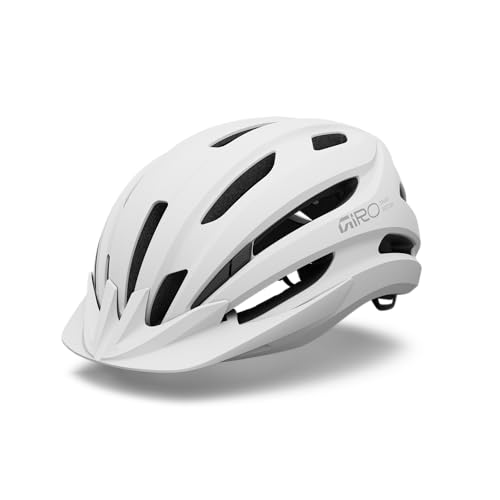
Best for: Larger-headed urban and trail riders
The Giro Register MIPS II XL is a cycling helmet for riders who need a roomier fit. Its Universal X-Large shell uses the Roc Loc Sport MIPS dial, which adjusts with one hand across a 7 cm range. That range helps fine-tune the fit without swapping pads or trying multiple helmets. The matte white and grey finish also gives it a neutral look for commuting, fitness rides, and casual trail use. At around $76, it sits in the affordable part of Giro’s lineup.
Its construction combines a tough outer shell with a polycarbonate lower wrap fused to the impact liner. This two-piece design adds protection around the lower edge without relying on a heavy full hardshell build. The integrated MIPS system is designed to reduce rotational forces transferred to the brain during certain impacts, though no helmet prevents every injury. Large vents connect to deep internal channels, helping air move across the scalp. The main limitation is fit range. This version targets larger heads, not riders who need a small or medium helmet.
Pros
- The 7 cm Roc Loc Sport range allows precise, one-handed fit adjustments.
- MIPS protection addresses rotational forces during certain angled impacts.
- Deep channels and large vents promote airflow over the scalp.
Cons
- The XL sizing may fit poorly on smaller or average-sized heads.
- MIPS reduces risk in some impacts but cannot prevent all head injuries.
5. BATFOX Bike Helmet

Best for: Weekend trail riders needing coverage
The BATFOX is a full-coverage mountain bike helmet for adults and youth. It combines a polycarbonate outer shell with an EPS foam liner, a common two-layer construction for impact protection without a bulky profile. The manufacturer lists compliance with U.S. CPSC, ASTM F1447, and E.U. CE bicycle helmet standards. Those certifications are useful, but buyers should still choose the correct size and replace any helmet after a serious impact.
Ventilation comes from 18 openings with internal channels, which should help move air during longer rides. A large visor adds shade and some protection from trail debris. The fit system uses a rear adjustment dial, with M for 54–58 cm, L for 58–61 cm, and XL for 61–63 cm heads. The padding and chin pad come out for washing. Around $50, it offers a practical feature set for recreational trail use, though the value depends on how accurately the listed sizes match your head.
Pros
- Polycarbonate shell and EPS liner provide full-coverage construction.
- Eighteen vents and internal channels support airflow on climbs.
- Removable, washable pads help with routine cleaning.
Cons
- The listed range starts at 54 cm, so smaller heads may need another helmet.
- No rotational-impact system, such as MIPS, is listed in the provided details.
4. Giro Fixture II MIPS Mountain Bike Helmet

Best for: Larger-headed riders on local trails
The Giro Fixture II MIPS is a mountain bike helmet for adults and older riders who need a roomy fit. This Universal X-Large version covers head sizes from 58 to 65 cm. Its in-molding construction joins the outer shell and inner foam during production, creating a single protective structure. The matte black finish with a grey logo keeps the look simple and easy to match with most riding gear.
The main safety feature is MIPS, a low-friction system designed to help redirect certain rotational forces during a crash. It cannot prevent every head injury, but it adds another layer beyond the helmet’s standard structure. Eighteen vents move air through internal channels, which should help reduce heat on climbs and warm-weather rides. Around $69, this helmet offers useful safety and airflow features without moving into premium pricing. The size range is the key detail to check before ordering.
Pros
- MIPS helps manage some rotational crash forces.
- Eighteen vents and internal channels support airflow.
- In-molding construction provides a unified helmet structure.
Cons
- The 58–65 cm range may fit too loosely on smaller heads.
- MIPS reduces some risks but cannot prevent all head injuries.
3. Mountain Bike Helmet for Adults

Best for: Trail riders seeking light coverage
This adult mountain bike helmet uses a high-density EPS foam core and a PC outer shell. Its in-mold construction forms a single-piece design, while the deeper rear and side coverage suits uneven trails. The helmet weighs about 330 grams and includes 17 vents with internal air channels for cooler rides. It works for mountain biking, commuting, road cycling, and e-bike use.
Fit comes in two sizes: M for 54–58 cm heads and L for 57–61 cm. A rear dial, adjustable chin strap, and padded chin section help fine-tune the fit. The removable visor can reduce glare on sunny routes, and the interior pads come out for washing after sweaty rides. Around $36, it offers a useful mix of basic protection features and daily versatility, though buyers should measure carefully before ordering.
Pros
- CPSC-compliant design uses an EPS core, PC shell, and in-mold construction.
- The 330-gram build and 17 vents can reduce bulk and heat during long rides.
- Removable visor and washable pads make the helmet easier to maintain.
Cons
- The size range covers 54–61 cm, so riders outside those measurements need another helmet.
- The listed features do not mention rotational-impact technology, a rear light, or reflective details.
2. Schwinn Thrasher Adult Bike Helmet

Best for: Adult recreational and fitness riders
The Schwinn Thrasher is an adult bicycle helmet for riders ages 14 and up. Its listed fit range covers head sizes from 58 to 62 cm. A rear dial adjusts the fit, while the side and chin straps provide finer control. The lightweight microshell construction keeps the shell profile simple, and the interior padding surrounds the head for added comfort. The pads are removable and washable, which helps after warm rides.
This helmet includes a removable visor for extra shade and moisture-wicking pads to help manage sweat. Its ventilation is designed for airflow, although the product details list both 20 and 21 vents. Around $30, it offers useful fit adjustments and washable padding at a modest price. It is certified to the U.S. CPSC bicycle helmet standard, including extended head coverage. The 58 to 62 cm range is practical for many adults, but it will not fit smaller or larger heads.
Pros
- Dial retention system allows quick, precise fit adjustments.
- Removable, washable padding helps manage sweat and regular wear.
- Removable visor adds shade and can be taken off when unwanted.
Cons
- The fixed 58 to 62 cm size range excludes riders outside that measurement.
- Product information conflicts on ventilation, listing both 20 and 21 vents.
1. BATFOX Bike Helmet
Best for: Casual mountain bikers on mixed trails
The BATFOX is a full-coverage mountain bike helmet for adults and youth. Its polycarbonate shell sits over an EPS foam liner, adding impact protection without relying on a bulky design. The listing says it complies with U.S. CPSC, ASTM F1447, and European CE bicycle helmet standards. Those certifications cover basic helmet safety requirements, but they do not replace careful fit or safe riding habits. At around $47, it targets riders who want more coverage than a basic road helmet without moving into premium pricing.
Ventilation comes from 18 openings with internal channels to move air across the head. A large visor helps block sunlight and some trail debris. The removable, washable pads and chin pad make routine cleaning easier, while the rear adjustment dial allows small fit changes after you put it on. Three size ranges cover heads from 54 to 63 cm: M fits 54-58 cm, L fits 58-61 cm, and XL fits 61-63 cm. Measure your head before ordering, since there is no listed size below 54 cm.
Pros
- Polycarbonate shell and EPS liner provide full-coverage impact protection.
- Eighteen vents and internal channels support airflow on longer rides.
- Removable, washable pads and a visor add practical trail convenience.
Cons
- The listing does not mention MIPS or another rotational-impact system.
- The three size ranges may not fit heads below 54 cm or above 63 cm.
Buying Guide
The most important factor is a correct fit, because a helmet that shifts during a crash cannot protect your head properly. Measure around the widest part of your head, then match that number to the manufacturer’s size chart.
- Head circumference: Look for an extended size range, commonly 23.5 to 25.5 inches, or about 60 to 65 centimeters. Leave room for adjustment without forcing the shell.
- Safety certification: Choose a model with CPSC certification for U.S. riding. For aggressive trail use, ASTM F1952 certification adds a downhill-focused safety standard.
- Retention system: The rear dial should tighten in small steps and allow at least 1 inch of adjustment. Test the fit with sunglasses and a thin cycling cap.
- Coverage and weight: A larger helmet should protect the back and sides without excessive bulk. Aim for roughly 350 to 500 grams, but prioritize stable coverage over a low number.
- Ventilation and price: Seek at least 15 vents for warm-weather climbs. Budget about $60 to $120 for basic protection, or $120 to $250 for features such as rotational-impact systems and improved padding.
If you cannot have everything, prioritize a secure, comfortable fit over weight, ventilation, or extra features.
Frequently Asked Questions
How can I tell if a mountain bike helmet will fit a large head?
A properly sized helmet should sit level, cover your forehead, and stay secure without painful pressure points. Measure around the widest part of your head, then compare that number with the manufacturer’s size chart. Many adult helmets cover roughly 58 to 63 centimeters, but sizing varies between brands and models.
What size helmet should I buy for a bigger head?
Choose a mountain biking helmet by head circumference, not your usual hat size. Wrap a soft tape measure above your eyebrows and ears, then select a model whose listed range includes that measurement without reaching its limit. For example, a 61-centimeter head may fit best in a 58 to 63-centimeter size.
Can large-head bike helmets still work with glasses?
Yes, a helmet made for larger heads can work with glasses if its frame leaves enough space around the temples and arms. Look for adjustable retention systems and vents that do not press against your frames. Try your riding glasses during fitting, since bulky arms can create pressure after several minutes.
Are premium helmets worth it for riders with big heads?
Premium helmets can be worth the cost when they offer a wider size range, better adjustment, and useful impact features. A model priced at $100 may fit more comfortably than a $40 option, but price cannot replace correct sizing. Check the fit system, safety certification, weight, and return policy first.
Conclusion
BATFOX Bike Helmet is the top pick for riders who need a roomier fit and straightforward trail protection for weekend rides or regular commutes. If your priority is lower weight on long climbs, choose a lightweight trail helmet with generous adjustment and enough ventilation instead. Before buying, double-check the listed size range, head-measurement method, compatibility with glasses or a rear light, package quantity, and current price, since retailer details can change. A larger shell alone does not guarantee comfort. Look for a secure retention dial, room around the temples, and straps that sit flat below the ears. The right helmet should stay stable without pressing hard against your forehead or sides.